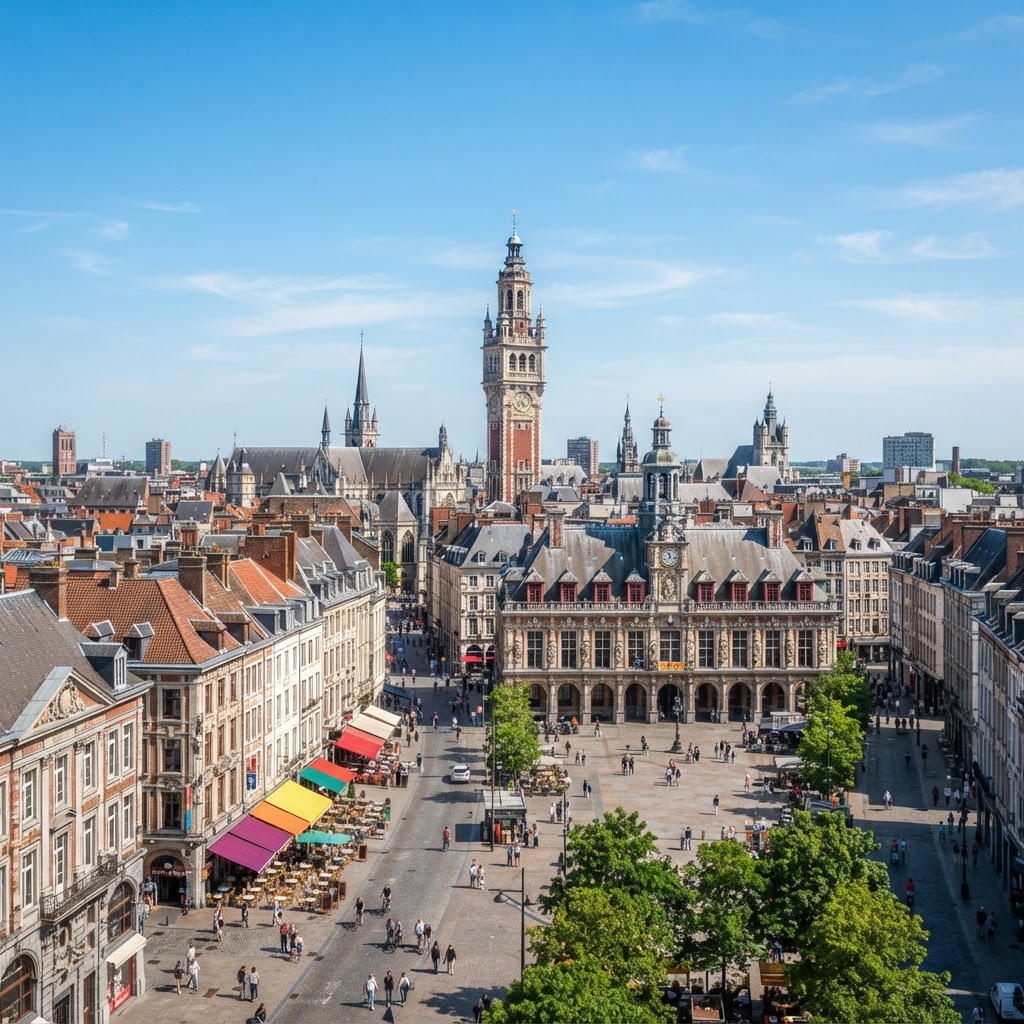
Lille
Lille's score reflects its status as a highly accessible and culturally rich city that balances affordability with urban convenience. While it excels in transit and student-friendly infrastructure, the score is tempered by the typical bureaucratic challenges of French city living and a competitive housing market.
Is Lille right for you?
MoveWiser can compare your budget, lifestyle, climate preferences, and priorities with Lille and other cities — and show you how well each one fits you personally.
See How Well Lille Fits MeQuality of Life in Lille
Lille's score is bolstered by its world-class public transit network and its reputation as a major European tech and university hub, which provides consistent opportunities for young professionals. The city's walkability and historic charm further enhance its appeal as a livable, mid-sized metropolis. Conversely, the score is constrained by the complexities of navigating French administrative systems and the high demand for housing in the city center, which can drive up costs despite rent control. The climate, characterized by frequent overcast days, is also a factor that influences the overall quality-of-life perception for some residents.
Housing
Lille faces a competitive housing market characterized by a high proportion of apartments and a scarcity of larger family-sized dwellings. While property prices remain significantly more affordable than in Paris, they have experienced notable upward pressure in recent years, leading the city to implement inclusionary zoning policies to promote social mixing and affordable housing.
Neighborhoods
The city features diverse residential areas, ranging from the historic, cobbled streets of Vieux Lille to the modern business-oriented Euralille district. Other popular residential choices include the leafy, family-friendly Vauban-Esquermes and Bois Blancs, as well as the cosmopolitan Wazemmes district, which is known for its vibrant market and proximity to universities.
Economy & Jobs
Lille serves as a major economic hub within the European Metropolis of Lille, hosting a vast network of companies including major retailers like Decathlon and Leroy Merlin. The local economy is historically rooted in industries such as mechanical engineering and metal processing, while also benefiting from its strategic position as a center for business and trade in Northern Europe.
Commuting & Transportation
Daily commuting is well-supported by the Ilévia public transport network, which includes two fully automated metro lines, two tramway lines, and an extensive bus system. The city is also actively expanding its cycling infrastructure, with hundreds of kilometers of bike lanes designed to reduce car dependency and improve connectivity between the city center and surrounding suburbs.
Lifestyle & Amenities
Lille offers a rich cultural life highlighted by events like the annual Braderie de Lille and numerous museums, festivals, and arts venues. Residents enjoy a human-scale urban environment with accessible green spaces like the Parc de la Citadelle and Jardin Vauban, alongside excellent international connectivity via TGV and Eurostar rail links.
Climate
Lille features a temperate oceanic climate with mild, often cloudy summers and cool, damp winters. Rainfall is distributed throughout the year, and temperatures rarely reach extremes.
Cost of Living in Lille
Population
1,194,040
Median Home Price
€225,000
Median Rent
€680/mo
Average Salary
€38,000
Groceries / month
€380/mo
Moving to Lille
Villeneuve-d'Ascq is a major university and tech hub, home to several graduate schools and research institutions, making it ideal for a 18-29 demographic. It features extensive green spaces, sports facilities, and a vibrant cultural scene that benefits from its proximity to Lille's urban center.
Pros and Cons of Living in Lille
Pros
- • Excellent TGV and metro connectivity
- • Vibrant student culture and nightlife
- • Lower cost of living than Paris
- • Rich architectural and cultural heritage
- • Proximity to Brussels, London, and Paris
Cons
- • Frequent grey, overcast weather
- • Bureaucratic hurdles for expats
- • Competitive rental market in city center
Who Lille Is Best For
Where Lille performs well
Frequently Asked Questions
Is Lille a good place to live?
Lille is highly regarded for its high quality of life, offering a blend of historic charm and modern urban amenities. It is particularly popular among young professionals and students who appreciate the city's dynamic atmosphere and its status as a major European crossroads.
Is Lille affordable?
Compared to Paris, Lille is significantly more affordable, with median rents for apartments often hovering around €680 per month. While the city center can be pricier, rent control measures (encadrement des loyers) help keep housing costs more predictable for residents.
What is Lille best known for as a place to live?
Lille is best known for its warm, welcoming culture, the famous Braderie de Lille flea market, and its status as a major university hub. It is also recognized for its stunning Flemish-influenced architecture in the Vieux-Lille district and its strategic location near the Belgian border.
What are the biggest advantages of living in Lille?
The primary advantages include an exceptional public transportation network, including the VAL metro system and high-speed TGV connections to major European capitals. Residents also benefit from a strong job market in sectors like tech, retail, and logistics, centered around hubs like EuraTechnologies.
What are the potential disadvantages of living in Lille?
The most common complaints involve the persistent grey, rainy weather and the complex French bureaucracy required for tasks like opening bank accounts or securing housing aid (CAF). Additionally, the city center rental market is highly competitive, often requiring quick action to secure a lease.
What type of person or household is Lille a good fit for?
Lille is an ideal fit for students and young professionals seeking a vibrant, walkable city with a lower cost of living than the capital. Its mix of academic institutions and growing tech industries makes it particularly well-suited for those early in their careers or pursuing higher education.
Related rankings
Cities Similar to Lille
Data & sources
MoveWiser scores are AI-generated comparative estimates, not official statistics. The category scores above are produced by MoveWiser's data pipeline; cost figures and population are AI estimates informed by web data at the time of generation. Always verify specifics with primary sources before deciding.
Data sources (as reported during generation):
- Numbeo 2026 — cost of living, rent & groceries
- INSEE Statistics
- Wise Cost of Living 2026
- College Council France Guide 2026
- Trackstone Real Estate 2026
Find cities that fit you — not just one
Get personalized city recommendations with match percentages based on your exact budget, lifestyle, climate, and priorities — Lille included.
Get My Personalized MatchesCookies & ads
We use cookies and similar technologies to personalize ads, measure ad performance, and improve your experience. Third-party vendors (including Google) may use cookies to serve ads based on your prior visits. See our Privacy Policy for details.