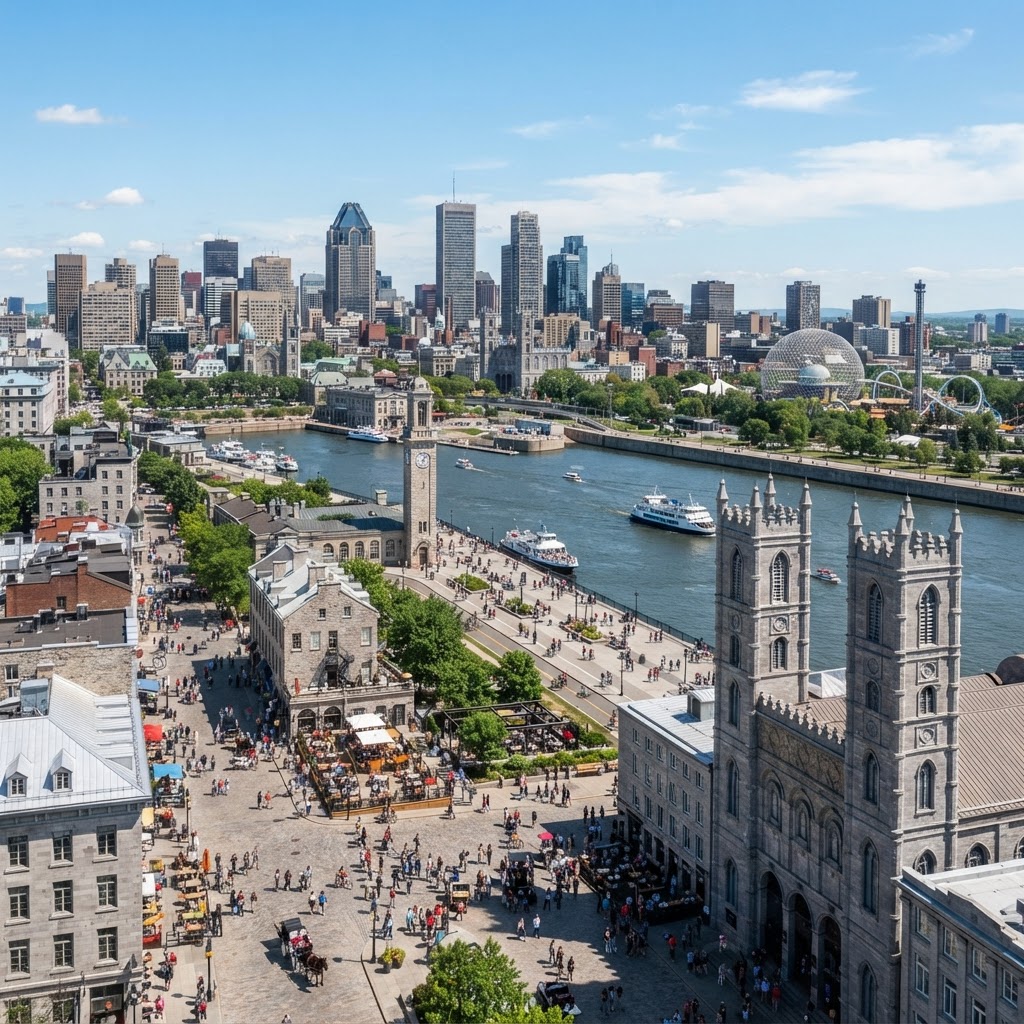
Montreal
Montreal earns a high score due to its world-class transit, walkability, and cultural vibrancy. However, the score is tempered by a challenging housing market where rent growth has outpaced wage increases, and a relatively high cost of living.
Is Montreal right for you?
MoveWiser can compare your budget, lifestyle, climate preferences, and priorities with Montreal and other cities — and show you how well each one fits you personally.
See How Well Montreal Fits MeQuality of Life in Montreal
Montreal's score reflects its status as a major economic engine with a robust tech and creative sector, which attracts significant talent. The city's extensive STM transit network and high walkability scores significantly boost its livability, making car ownership optional for many residents. Conversely, the score is constrained by a housing market that has seen persistent price pressure, making it difficult for lower-income households to find affordable rentals. Additionally, while the job market is strong, the gap between average salaries and the rising cost of living, combined with the harsh winter climate, prevents a higher overall rating.
Housing
The Montreal housing market is characterized by a tight supply of affordable rental units, though new completions have helped ease vacancy rates slightly to 2.9% in 2025. Renters face significant competition for well-located apartments, while prospective buyers encounter high entry prices for single-family homes, often exceeding $600,000.
Neighborhoods
Neighborhoods like Le Plateau and Mile End are known for their artistic character, historic row houses, and vibrant street life, attracting many young professionals. Downtown remains the hub for high-density living and proximity to major employers, while Notre-Dame-de-Grâce offers a more residential, family-friendly atmosphere.
Economy & Jobs
Montreal's economy is a primary driver for Quebec, with significant employment in visual effects, animation, artificial intelligence, fintech, and life sciences. Major employers and industries benefit from a deep pool of talent, though the region continues to navigate a higher unemployment rate compared to the provincial average.
Commuting & Transportation
Commuting in Montreal is highly efficient due to the STM's extensive metro and bus network, which serves as the backbone of daily travel. While many residents rely on public transit or cycling, car ownership remains common for those living in suburban areas or commuting from the South Shore.
Lifestyle & Amenities
Lifestyle in Montreal is defined by its rich cultural calendar, including world-famous festivals, and a renowned dining scene. Residents enjoy extensive outdoor access through parks like Mount Royal, and the city's bilingual nature fosters a unique, cosmopolitan social environment.
Climate
Montreal experiences a humid continental climate with four distinct seasons, featuring warm, humid summers and cold, snowy winters. Residents enjoy vibrant autumn foliage and a rapid transition into spring.
Cost of Living in Montreal
Population
4,597,837
Median Home Price
$645,000
Median Rent
$1,346/mo
Average Salary
$66,219
Groceries / month
$550/mo
Moving to Montreal
A diverse, four-season urban hub with a legendary arts scene, strong tech industry, and a high concentration of young professionals.
Pros and Cons of Living in Montreal
Pros
- • Exceptional public transit network
- • World-class culinary and arts scene
- • High walkability in central districts
- • Bilingual cultural environment
- • Strong tech and AI industry presence
Cons
- • High cost of living relative to wages
- • Harsh winter weather conditions
- • Competitive rental market for affordable units
- • High provincial tax burden
Who Montreal Is Best For
Where Montreal performs well
Frequently Asked Questions
Is Montreal a good place to live?
Montreal is widely considered an excellent place to live for those who value culture, diversity, and urban convenience. It offers a unique European-style atmosphere in North America, with vibrant neighborhoods like Le Plateau and Mile End providing a high quality of life for residents.
Is Montreal affordable?
While Montreal remains more affordable than Toronto or Vancouver, housing costs have risen significantly. The median rent for a two-bedroom apartment is approximately $1,346, though market-rate units often command higher prices, and home ownership requires a substantial investment with median prices around $645,000.
What is Montreal best known for as a place to live?
Montreal is best known for its legendary arts scene, festivals like the Montreal International Jazz Festival, and its status as a global hub for AI and visual effects. It is also famous for its distinct bilingual culture and historic architecture found in areas like Old Montreal.
What are the biggest advantages of living in Montreal?
The primary advantages include an extensive STM public transit system, high walkability, and a rich, diverse social life. Residents benefit from a strong job market in sectors like tech, life sciences, and creative industries, alongside a relatively safe urban environment.
What are the potential disadvantages of living in Montreal?
The most notable disadvantages are the long, cold winters and the challenge of finding affordable housing in a tight market. Additionally, navigating the city's bureaucracy and the necessity of French proficiency for many professional roles can be hurdles for newcomers.
What type of person or household is Montreal a good fit for?
Montreal is an ideal fit for young professionals, students, and creatives who thrive in a dense, transit-oriented urban environment. It is particularly well-suited for those who enjoy an active nightlife, outdoor summer activities, and a multicultural, bilingual lifestyle.
Related rankings
Cities Similar to Montreal
Data & sources
MoveWiser scores are AI-generated comparative estimates, not official statistics. The category scores above are produced by MoveWiser's data pipeline; cost figures and population are AI estimates informed by web data at the time of generation. Always verify specifics with primary sources before deciding.
Data sources (as reported during generation):
- CMHC Rental Market Report 2025
- Montreal International 2026 Talent Report
- Statistics Canada
- Institut de la statistique du Québec
- APCIQ Centris Data
Find cities that fit you — not just one
Get personalized city recommendations with match percentages based on your exact budget, lifestyle, climate, and priorities — Montreal included.
Get My Personalized MatchesCookies & ads
We use cookies and similar technologies to personalize ads, measure ad performance, and improve your experience. Third-party vendors (including Google) may use cookies to serve ads based on your prior visits. See our Privacy Policy for details.